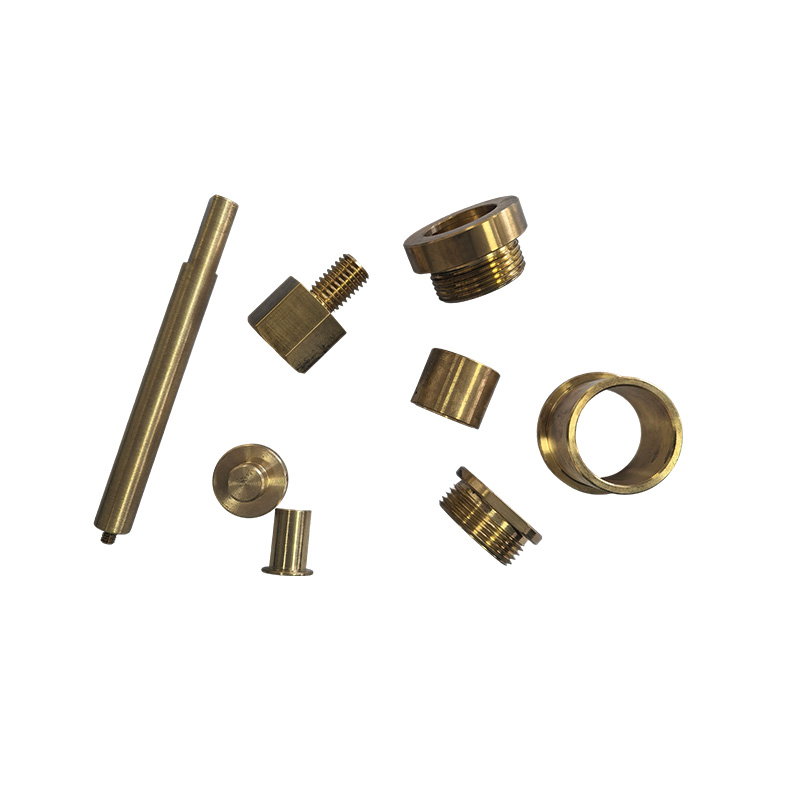
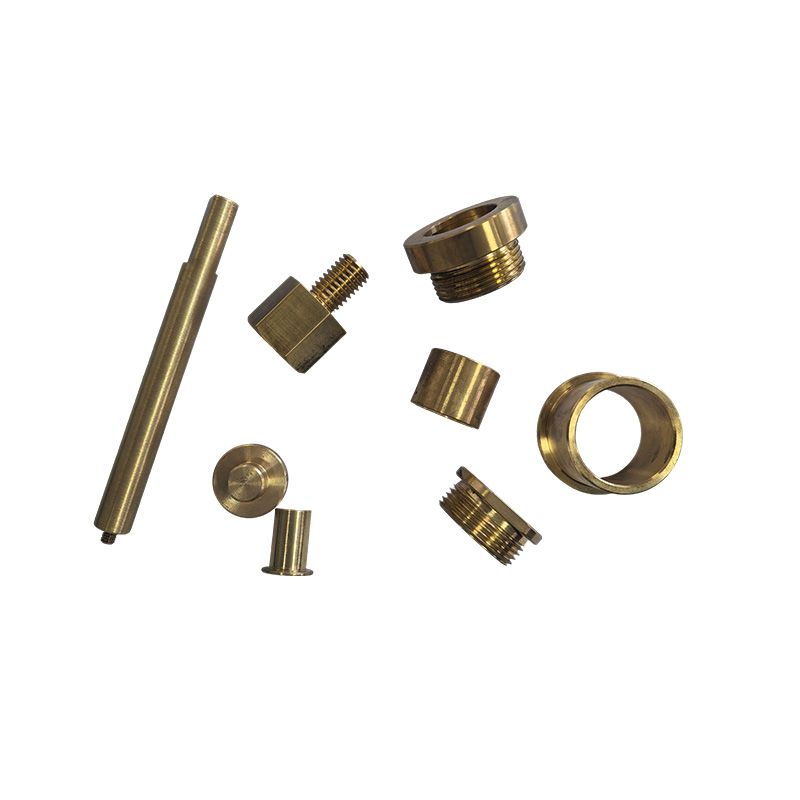
In the evolution of the modern automotive industry, material innovation has always been the core driving force behind technological progress.
As a key component in power transmission and equipment connection, the contact resistance of copper joints directly affects the efficiency and stability of electrical systems.
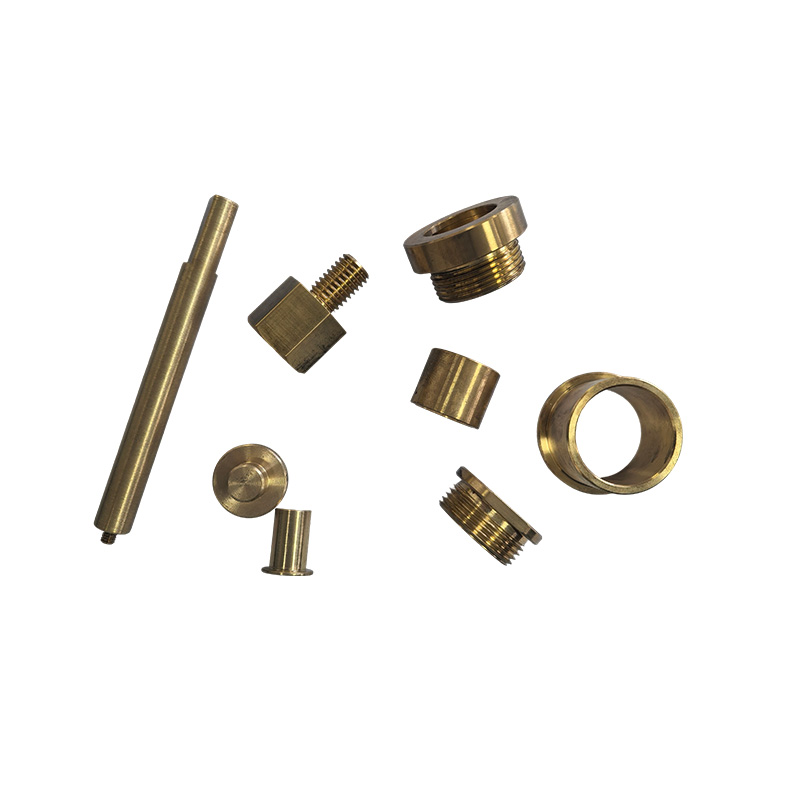
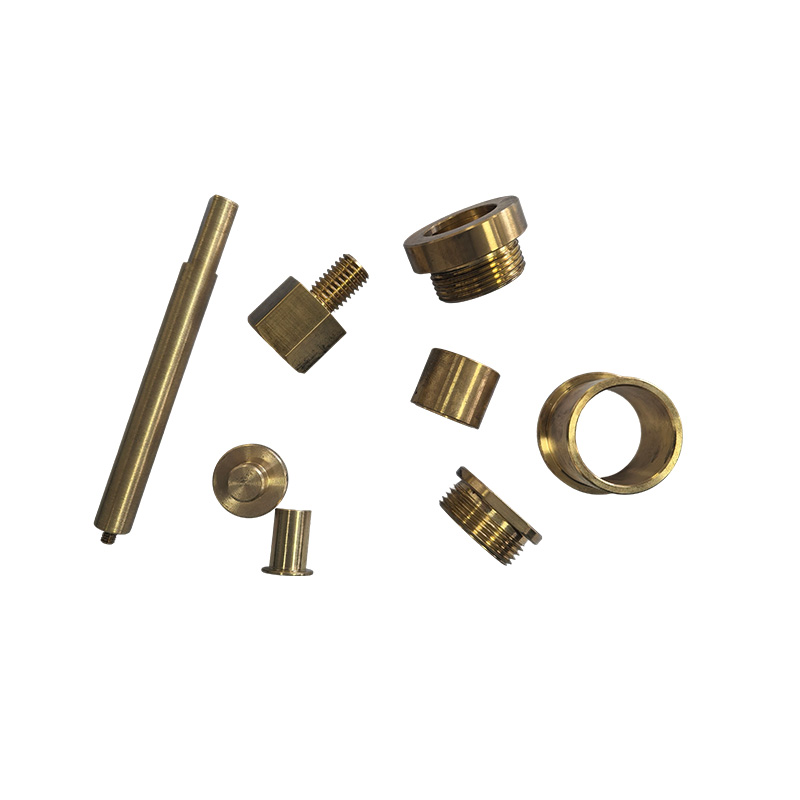
The intersection of advanced manufacturing techniques and high-performance materials has revolutionized the production of electrical components, with injection molded copper joints standing out as a prime example of this innovation.
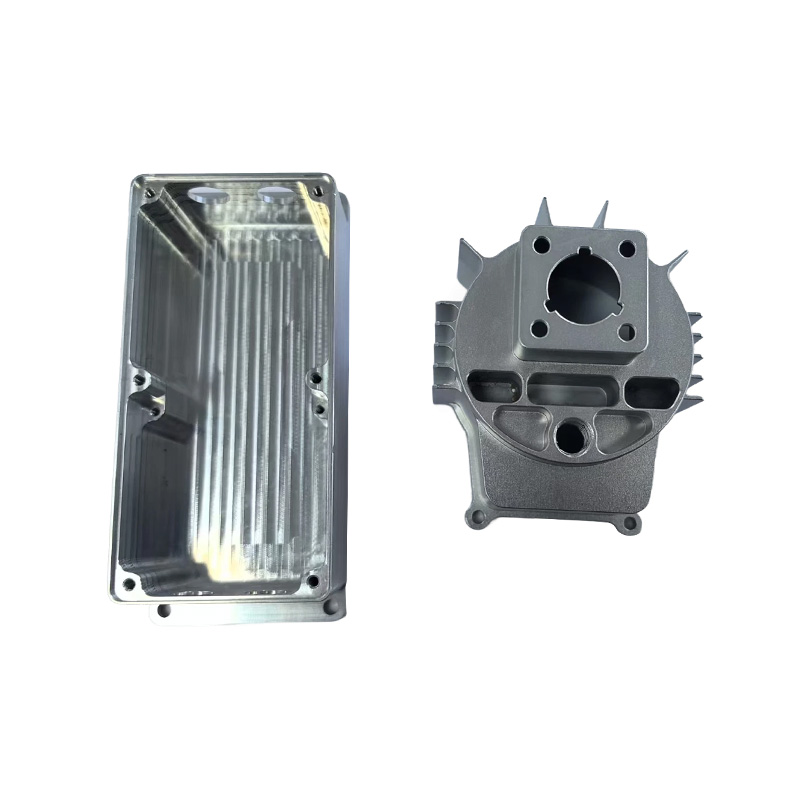
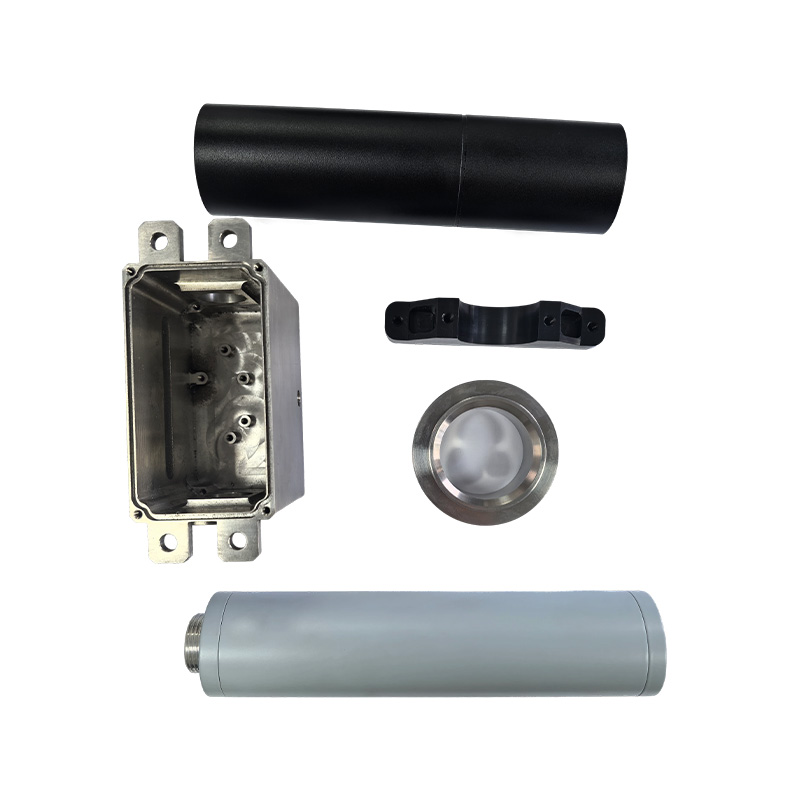
Aluminum alloy power housings, due to their light weight, high strength, and excellent thermal conductivity, are widely used in various power equipment and electronic systems.
The optimization of the connection structure of structural parts of aluminum alloy shells should be guided by functional requirements, taking into account material properties, process feasibility and cost factors.
The purity of copper directly affects the probability of porosity formation. High-purity copper has a low impurity content, which can reduce the gas generated by the decomposition of impurities at high temperatures.